300 Listings, Six Months, One Spreadsheet: What Used Telescopes and Lenses Actually Sell For in Your Town
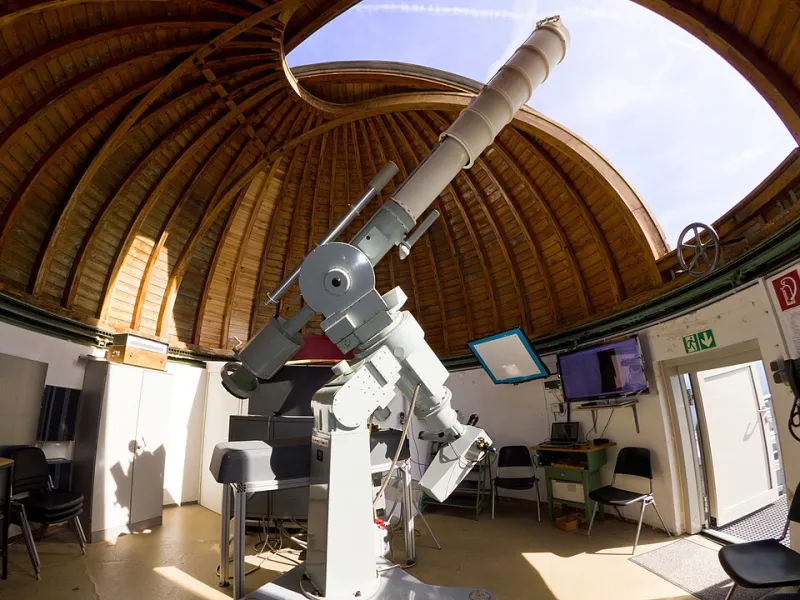
Photo: H. Raab (User:Vesta), CC BY-SA 4.0, via Wikimedia Commons
Every town has one: the neighbor who lists telescopes on Facebook Marketplace like it's a part-time job. Ours had three. So we turned the habit into data.
From January through June, we logged every used optics listing within driving distance — telescopes, spotting scopes, binoculars, and camera lenses — on both Facebook Marketplace and Craigslist. Three hundred and twelve listings made the final cut. We tracked asking price, days on market, price drops, and, where possible, the actual sale price.
The Headline Number: Ask Is Not Sell
The average listing sold for 68% of asking price. Camera lenses fared best at 74%. Telescopes were the bloodbath, closing at just 55% of ask — and that average is dragged down by the dozens that never sold at all.
The single most common pattern: a listing at an ambitious price, one 10-15% cut after three weeks of silence, then another cut, then delisting. Roughly a third of telescope listings never sold during our window. They just... disappeared, presumably back into garages.
Days on Market: The Patience Tax
- Lenses priced under $200: median 9 days to sale.
- Lenses over $500: median 24 days.
- Telescopes under $150 (mostly big-box beginner scopes): median 31 days — and half of those sold to the same three reseller accounts we mentioned earlier.
- Quality telescopes over $400: 40+ days, but they did sell, usually within 10% of ask.
Translation: cheap gear moves fast and cheap. Good gear moves slow but holds value. The middle — mediocre gear at optimistic prices — is where listings go to die.
The Buyer's Playbook
The data suggests a simple negotiation ladder. Offer 70% of ask on day one. If the listing is older than three weeks, offer 60%. Anything with a brand name in the title but no model number ("Powerful Telescope!!") is priced on hope, not comps — cut harder. Listings with real photos of the actual item, serial numbers visible, and honest condition notes sold within 12% of ask on average. Those sellers know what they have. Negotiate politely or move on.
The best deals we documented: an 8-inch Dobsonian at $240 (asked $350, listed 47 days), a used 70-300 lens at $110 (asked $180), and a spotting scope kit at $150 that included a tripod worth that alone.
The Seller's Reality Check
If you're the one selling: your first price cut does almost nothing. Listings that dropped 10% saw inquiries rise only marginally. The cuts that worked were decisive — 25% or more, which typically triggered a sale within a week. Price it right the first time or be ready to drop hard.
Also: listings posted Thursday evening sold fastest, presumably because weekend pickup logistics are easier. Sunday listings sat longest.
Why This Matters
The used optics market runs on asymmetric information. Sellers anchor to what they paid; buyers anchor to new prices they found online. The actual clearing price lives in a boring middle that nobody advertises — around two-thirds of ask, adjusted for brand and condition.
Six months and 312 listings later, the takeaway is unglamorous but actionable: patience is worth real money whether you're buying or selling. The person who can wait 40 days usually wins. The person who can't usually pays for it.