I Shot a Season With 1998 Manual Focus Glass to Test a Theory About Autofocus
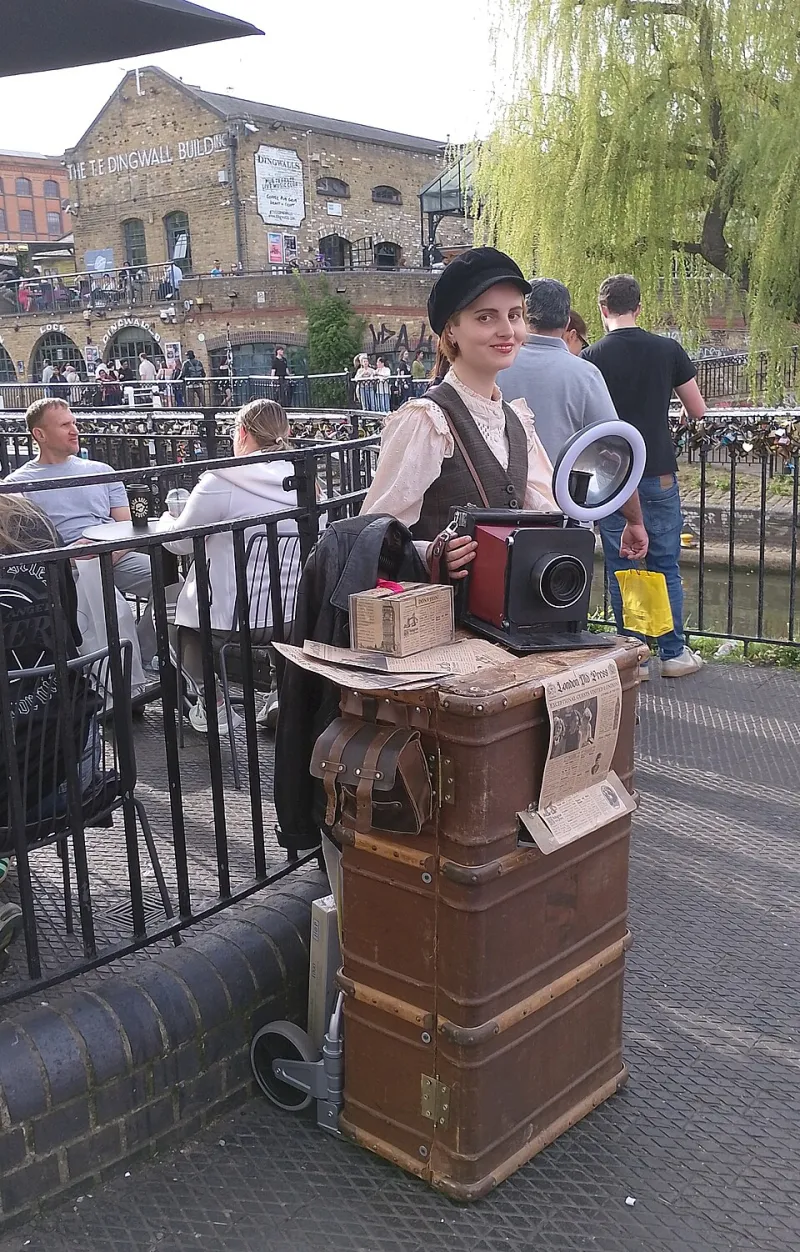
Photo: Philafrenzy, CC BY-SA 4.0, via Wikimedia Commons
Every camera launch since roughly 2020 follows the same script: more detection subjects, more computed pixels, higher frames per second. The spec sheets won. And yet I kept coming home from shoots with the same hit rate I had a decade ago.
So I ran an unscientific but honest experiment. For three months, I split my shooting between a current-generation mirrorless flagship with full subject-detection AF and a 1998-era manual focus lens adapted to the same body. Weddings, youth soccer, birds at my feeder, street work in downtown Denver. I logged keepers — frames I'd actually deliver — per 100 shots.
The Numbers Nobody Puts on a Box
The flagship AF body won, but not by the margin the marketing suggests. For static and slow-moving subjects, the difference was about 8%. For fast, unpredictable action — a six-year-old sprinting perpendicular to me — the AF body pulled ahead meaningfully. That's real. I won't pretend otherwise.
But here's what surprised me: my overall keeper rate with the manual lens was within striking distance of my historical average with the AF body. Because the constraint was never focus acquisition. It was timing, positioning, anticipation, and knowing when the moment peaks.
The manual glass forced me to slow down, pre-focus, and wait for the action to come to the plane of focus. Old sports photographers call this 'zone focusing.' It felt ancient. It also worked embarrassingly well.
Where the Arms Race Actually Lost
Modern AF solved a problem that mostly isn't the problem anymore. The camera rarely misses focus now — but I still miss the moment. I frame too tight. I react a half-second late. I shoot through the peak instead of at it.
Meanwhile, the failure mode has quietly migrated. Watch any new shooter's rejects: tack-sharp images of the back of someone's head, eyes in perfect focus, expression gone. The camera did its job flawlessly. The photo still isn't a keeper.
What This Means Before You Upgrade
If you're shopping a body upgrade purely for AF, run your own audit first. Go through your last 500 keepers and ask: how many were saved by focus, and how many were saved by timing? For most hobbyists shooting kids, pets, and travel, the honest answer is that a three-generation-old body already focuses well enough.
Spend the money where the audit points:
- Fast, unpredictable action (sports, wildlife): Modern AF genuinely earns its price. Buy it.
- Portraits, street, travel, landscape: Glass and lighting will move your keeper rate more than a new processor.
- A fast prime you'll actually carry: Better ROI than 4 more frames per second.
The arms race is over because the camera won its war. Ours just started.