Concrete, Salt Spray, and 30 MPH Gusts: A Tripod Torture Test With Actual Consequences
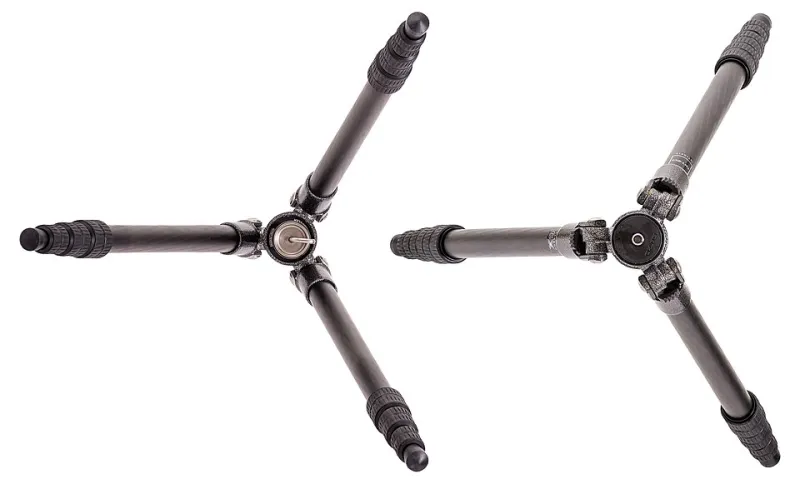
Photo: Lucasbosch, CC BY-SA 4.0, via Wikimedia Commons
Most tripod reviews end at a spec sheet. Weight, load rating, folded length. Great. None of that tells you what happens when your $700 carbon fiber legs take a tumble off a switchback trail in Zion, or when your aluminum workhorse spends a week getting misted by Atlantic saltwater at Cape May.
So we abused five tripods on purpose. Here's what survived.
The Contenders
We picked five popular models across the price spectrum, all in the $300–$1,000 range — the segment most serious enthusiasts actually shop in. We're not naming every brand as a hero or villain, but we'll tell you exactly which failure modes showed up and which builds shrugged them off.
The lineup: a flagship 10-layer carbon fiber set from a big-name brand, a mid-tier carbon travel tripod from a direct-to-consumer outfit, a budget carbon set that's all over Amazon, a classic aluminum workhorse, and a hybrid carbon/aluminum design that reviewers mostly ignore.
Test One: Three Feet onto Concrete
Realistic? Absolutely. That's about the height of a car trunk lip or a low rock. We dropped each fully-extended tripod onto its apex, ten times each, onto a concrete parking lot in Denver.
The flagship carbon set cracked a leg lock collar on drop seven. It still functioned, but the twist lock no longer held full torque — the legs would slowly slip under a heavy load. The budget carbon set surprised us: nothing broke, but the rubber feet tore off twice. The aluminum workhorse dented, obviously, but dents don't matter. It locked up identical to day one.
Verdict: Aluminum bends. Carbon cracks. If you're clumsy, that's worth internalizing before you spend the carbon premium.
Test Two: A Week of Saltwater
We stood each tripod in the surf zone at a Jersey Shore beach for a week, spraying them down once daily with seawater, then letting them dry in the sun. Nobody rinses their tripod after a beach shoot. Let's not pretend.
By day four, the budget carbon set's aluminum center column was binding badly. By day six, two of the twist locks on the direct-to-consumer carbon model required two hands to loosen. The aluminum workhorse? Corroded threads on one leg, but a quick shot of silicone lube brought it back to maybe 90%.
The flagship model performed best here — its anodizing and sealed joints genuinely seemed to matter. That's what part of that price tag buys: not stiffness, but resistance to neglect.
Test Three: Wind Loading
We mounted an identical mirrorless body with a 100–400mm zoom to each tripod and let a box fan array — rough approximation of a 25–30 MPH gust — hit it broadside, measuring visible vibration and focus drift.
Here's the dirty secret of the travel tripod industry: the skinny carbon legs that make a tripod airline-friendly also make it a tuning fork in wind. The travel carbon model buzzed like a guitar string. The aluminum workhorse, all 4.5 pounds of it, was stone-steady. The flagship carbon held focus about 80% of frames.
If you shoot landscapes at dawn on the plains, or long exposures anywhere coastal, weight isn't your enemy. It's your stabilizer.
What Actually Matters
After a month of deliberate abuse, here's our honest ranking of priorities:
- Lock mechanism design — twist locks with rubber seals outlasted flip locks with exposed springs
- Material over marketing — "10-layer carbon" meant nothing; wall thickness and joint design meant everything
- Serviceability — the aluminum set is user-repairable with a $5 part. Two of the carbon sets are effectively disposable after a hard failure.
The Bottom Line
Buy aluminum if you're hard on gear, shoot near saltwater, or want a tripod you can fix with a wrench. Buy carbon fiber if you fly with it, hike with it, and can afford to treat it gently. And whatever you buy — for the love of glass, rinse it after the beach.