One Lens, One Year, One Receipt: The Real Cost of Shooting a Flagship Prime Every Single Day
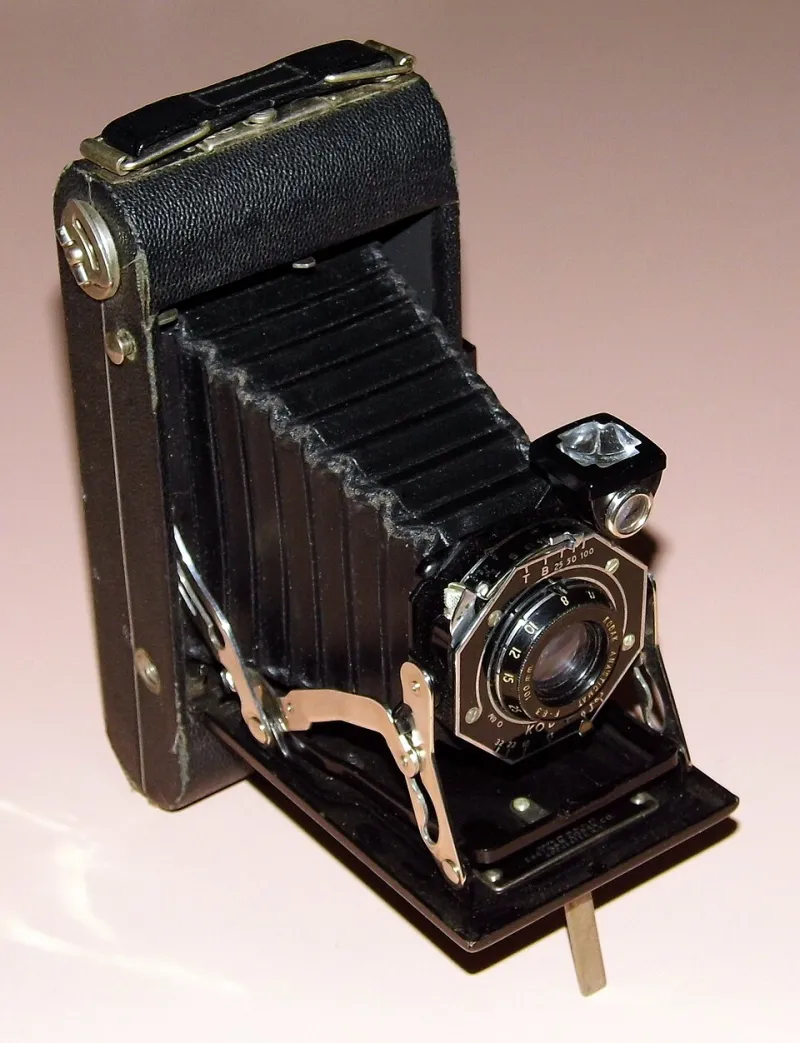
Photo: Kurt Kaiser, CC0, via Wikimedia Commons
Everybody talks about the price of a flagship prime. Almost nobody talks about the price per frame.
So that's what I did. For twelve months, one lens lived on my camera: a top-tier 35mm f/1.2 prime that cost $4,000 out the door. Every shutter actuation got logged — weddings, street walks, my niece's birthday, the boring Tuesday coffee shots. At year's end, I had 41,300 frames and a spreadsheet that hurt to look at.
Here's the audit.
The Math Nobody Runs
$4,000 divided by 41,300 frames comes out to roughly 9.7 cents per image. That's it. That's the headline number.
For context: a roll of film plus development in the US runs about $25–$30 for 36 frames — call it 75 cents a shot. My "insanely expensive" lens was shooting frames for pocket change. And unlike film, the lens keeps shooting. Run the same body of work over three years and the cost per frame drops to a little over 3 cents.
But that's only half the ledger. Because the counterfactual matters: what if I'd spent that $4,000 on budget glass instead?
The Cabinet of Cheap Glass Alternative
Four grand buys a lot of budget primes. A modest f/1.8 trio plus a fast 85 and a wide 24, with change left for filters. On paper, that's more focal lengths, more creative options, more versatility.
In practice? I know how this goes, because I lived it for years before this experiment. The cheap lenses rotated. The 24 stayed in the bag. The 85 came out maybe six times a year. The lens I actually reached for — the fast normal prime — was the one I'd cheap out on, and I'd grumble about its corner sharpness every time I printed.
The flagship prime eliminated decision fatigue. One lens, always mounted, always excellent. My keeper rate went up, not because the glass is magic, but because I stopped second-guessing my tool and started shooting.
Where It Stung
Honesty requires the downside column:
- Focal length lock-in. Twelve months at 35mm. Some days I ached for a long lens at a baseball game or a wider option in a tight dive bar. Discipline is not the same as freedom.
- Anxiety tax. The first three months, I treated this thing like a newborn. Rain at an outdoor festival in Austin? Umbrella in one hand, camera abandoned in the bag. That's frames I didn't shoot because the lens cost too much to risk.
- Weight. A flagship f/1.2 is a brick. My shoulder knew about it by month eight.
Resale: The Escape Hatch
Here's the part the budget-vs-flagship debate usually ignores. After a year of hard use, this lens sold — used market, US buyer, fair asking price — for about 78% of what I paid. Budget glass doesn't hold value like that. A $250 budget prime might fetch $120 after a year; the flagship's depreciation in absolute dollars was real but proportionally gentle.
Factor that in and my true first-year cost wasn't $4,000. It was closer to $880 — about 2.1 cents per frame. Try getting those numbers out of a cheap zoom.
The Verdict
If you shoot 10,000+ frames a year and actually use one focal length most of the time, the flagship prime isn't an indulgence — it's the cheaper option once you run resale into the equation. The math only breaks if the lens sits in a bag while you reach for the kit zoom.
Which is the real test, and it costs nothing: check your last 1,000 frames. If 70% of them came from one focal length, you already know what to buy. If they're scattered everywhere, buy the cheap primes and skip the halo tax.
The expensive lens didn't make me a better photographer. It just stopped being the excuse.