Your Phone Isn't a Pro Camera — It's a Very Good Liar

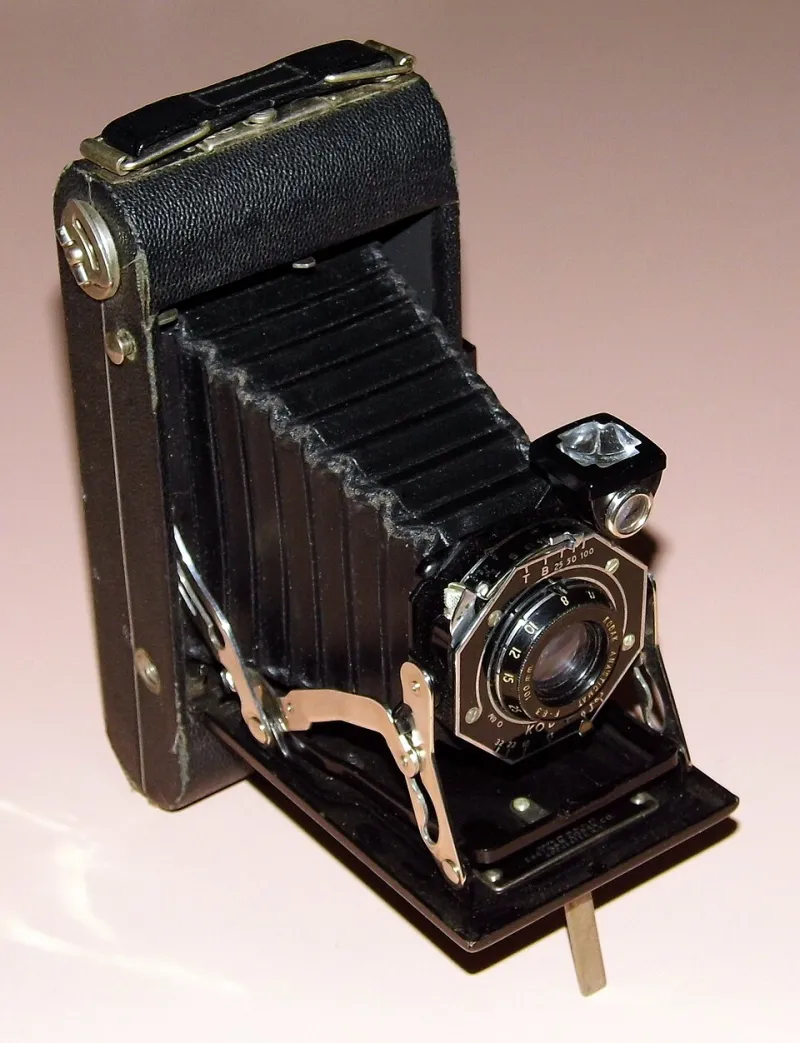
Photo: سیدخلیل موسوی, CC BY 4.0, via Wikimedia Commons
Every phone launch since roughly 2019 has included the word "pro." Pro camera system. ProRAW. Pro-grade sensor. Meanwhile, actual pro photographers keep buying dedicated bodies. Somebody's lying, and it's worth figuring out who.
I spent two weeks shooting side-by-side comparisons with three current flagship phones and a used mirrorless body with a kit zoom — a setup you can assemble for less than one phone upgrade. Every image below is unedited, straight off the device.
What 'Pro Mode' Actually Is
Let's demystify the term. On most phones, "Pro mode" hands you manual control of shutter speed, ISO, white balance, and focus. That's it. That's the feature. Those controls have existed on cheap point-and-shoots since the 2000s.
What phones don't give you in Pro mode is usually more telling: many disable or degrade their computational pipeline when you go manual. Turn off the auto magic and you're left with a tiny sensor and a lens the size of a pencil eraser. Pro mode is often the phone admitting its best photos are made by software, not optics.
The Test: Low Light, Zoom, and Skin
Low light. In a dim restaurant, the phones produced brighter, cleaner JPEGs than the mirrorless — at first glance. Zoom in, and the phone images are paintings. Faces smoothed into wax, brickwork melted into abstract texture. The dedicated camera's noisier file held actual detail. If your destination is a phone screen, the phone wins. If it's a print or a crop, it doesn't.
Zoom. This is where the marketing gets aggressive. A phone advertising "10x optical" is usually talking about a tiny folded-periscope lens that engages only in good light; at 10x indoors, you're getting software upscaling with a side of hallucinated detail. I got AI-invented window frames in two phone shots. That's not photography. That's plausible deniability.
Skin tones. Phones editorialize people. They brighten, smooth, and warm faces according to what the manufacturer's tuning team decided you want to look like. The dedicated camera recorded what was in the room. Whether that's a bug or a feature depends on how much truth you want in your family photos.
When the Phone Is Genuinely Enough
Here's the part where I'm not a curmudgeon: for probably 80% of what Americans photograph — kids, food, dogs, national park overlooks — a current flagship phone is not just enough, it's the better tool. It's in your pocket, it computes a finished JPEG in a second, and sharing takes one tap. The dedicated camera's advantages evaporate the moment your photos live exclusively on Instagram.
When You're Being Sold a Term
You're being marketed to when any of these apply:
- You want to crop aggressively or print large
- You shoot fast-moving subjects — pets, sports, kids being kids
- You care about what a lens renders versus what an algorithm invents
- You shoot in mixed or low light and need reliable autofocus on eyes
A $700 used mirrorless with a sharp prime lens will outperform a $1,200 phone in every one of those scenarios, and the lens you buy today still works on the body you buy in 2030. Try saying that about a phone's camera bump.
The OP Verdict
"Pro" on a phone means "more sliders," not "more capability." The phones are honest about what they show you; the marketing isn't. Buy the phone for convenience — it's legitimately great at that. Buy the camera when you want the pixels to be real. And stop letting a keynote tell you which one you need.